The Facts Behind our Mission
Maternal mental health conditions are among the most common complications of pregnancy and childbirth.
The good news is that they are treatable, and every parent deserves to truly Be Well.
THE MATERNAL MENTAL HEALTH CRISIS IS REAL
1 in 5 Moms
EXPERIENCE A MATERNAL MENTAL HEALTH CONDITION
By the numbers
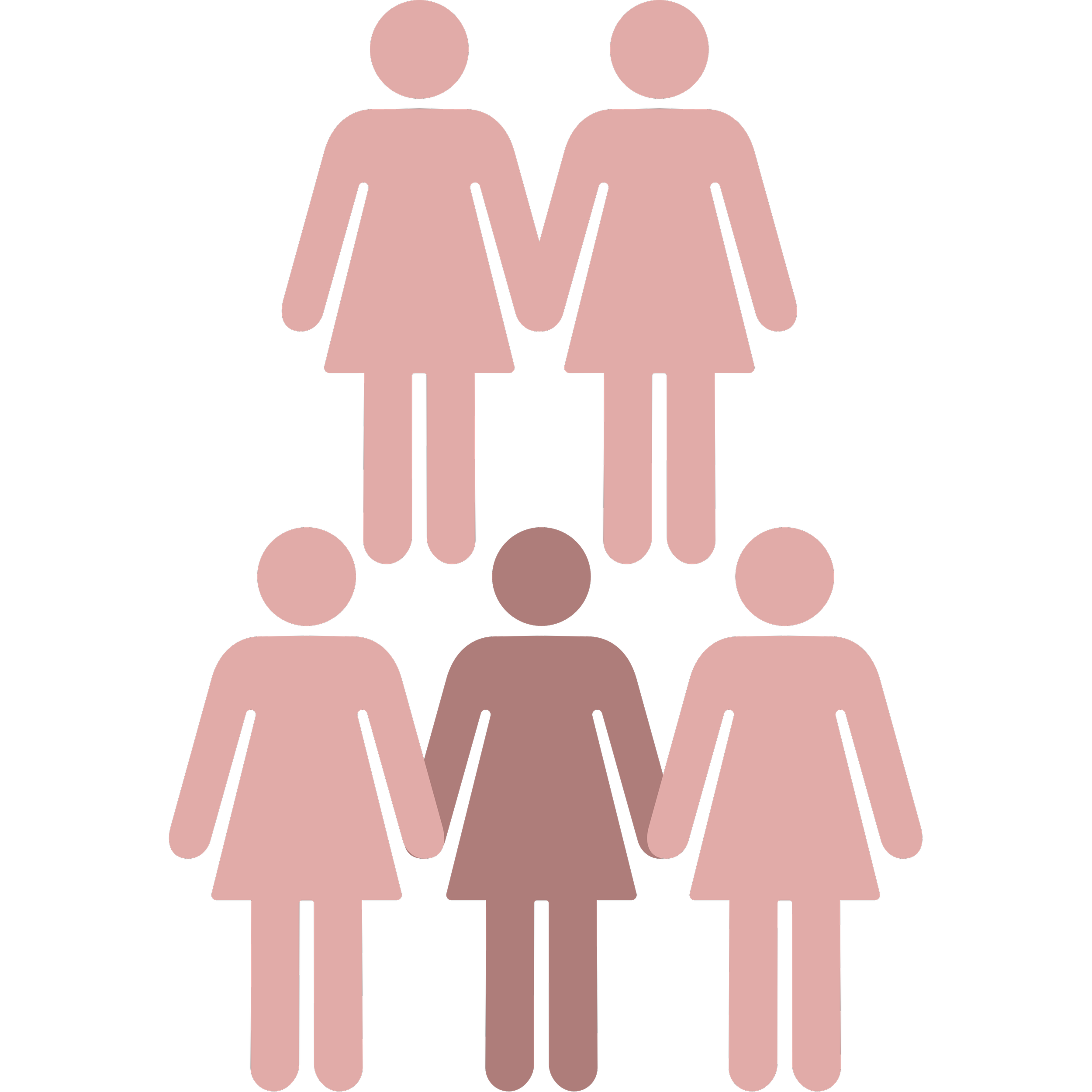
1 in 5 Mothers
EXPERIENCE A MATERNAL MENTAL HEALTH CONDITION
Approximately 20% of mothers experience a mental health condition during pregnancy or within the first year after birth including postpartum depression postpartum anxiety, 0CD, PTSD, bipolar disorder, postpartum psychosis, etc.
1 in 7 Mothers
EXPERIENCE SYMPTOMS OF POSTPARTUM DEPRESSION
About 1 in 7 women with a recent live birth report postpartum depression symptoms, per the CDC—excluding those who stay silent. PPD isn’t just sadness; it can show as severe anger, hypervigilance, or intense anxiety. Because these signs clash with expectations, many mothers assume they’re failing instead of having a treatable medical condition.

Symptoms can appear months after giving birth
Postpartum depression doesn’t always appear right after delivery. Research shows that more than half of mothers who report depressive symptoms at 9–10 months postpartum did not have symptoms earlier in the postpartum period. This underscores the need for ongoing screening and support throughout the first year of giving birth.

1 in 8 Mothers
EXPERIENCE SYMPTOMS OF BABY BLUES
Nearly 80% of new mothers experience, “baby blues,” which typically resolve within two weeks. If symptoms last longer, worsen, or interfere with daily life, they may indicate postpartum depression or another maternal mental health condition.
40-80%
OF MOTHERS EXPERIENCE SYMPTOMS BUT ARE TOO AFRIAD TO SEEK HELP
Many individuals remain silent because of guilt, fear of judgment, or concern about involvement from Child Protective Services. Mothers frequently fear being perceived as inadequate or "unfit" for experiencing intrusive or negative thoughts. This fear leads some to avoid medical care or family support due to anxiety that their children might be removed.

Mental health conditions effect the entire family
Untreated maternal mental health conditions can negatively affect bonding and breastfeeding, strain relationships, disrupt infant sleep, hinder aspects of child development, and compromise the overall well-being of the entire family.
the Current system:
A GAP IN CARE

MOM IS STRUGGLING
VISITS A PHYSICIAN
PRESCRIBED MEDICATION
1 IN 3 ARE REFERRED TO A THERAPIST
LONG WAITS AND LIMITED ACCESS
MOM IS STUCK ALONE IN BETWEEN EACH STEP
Be Well. With Mama: The in-Between
At Be Well With Mama, we believe healing happens when mothers are supported as whole people—not just as a diagnosis or a list of symptoms. We bridge the gap between modern medicine and holistic wellness by offering practical, compassionate support when moms need it most.
Every program we offer is rooted in evidence-based practices and designed to support the many aspects of maternal wellbeing. Our work is centered around eight core pillars:
Medical Care (Modern & Holistic)
Therapy & Counseling
Nutrition
Movement
Community Connection
Education
Nervous System Regulation
Removing Community Barriers
What Programs We Currently Offer
Mom Walks
Mama Strong Fitness Classes
Nutritional Classes
Community Events
Educational Programming
Practical Resources & Referrals
Initiatives Like No Floor Required and Caminata Billingue
-
![a woman holding a stethoscope out to the viewer]()
Medical Care
Evidence-based medical care during and after pregnancy is essential. Have an OBGYN, midwife, or doula who can prescribe medication and monitor treatment, and consult specialists as needed such as lactation consultants, pelvic-floor therapists, etc.
-
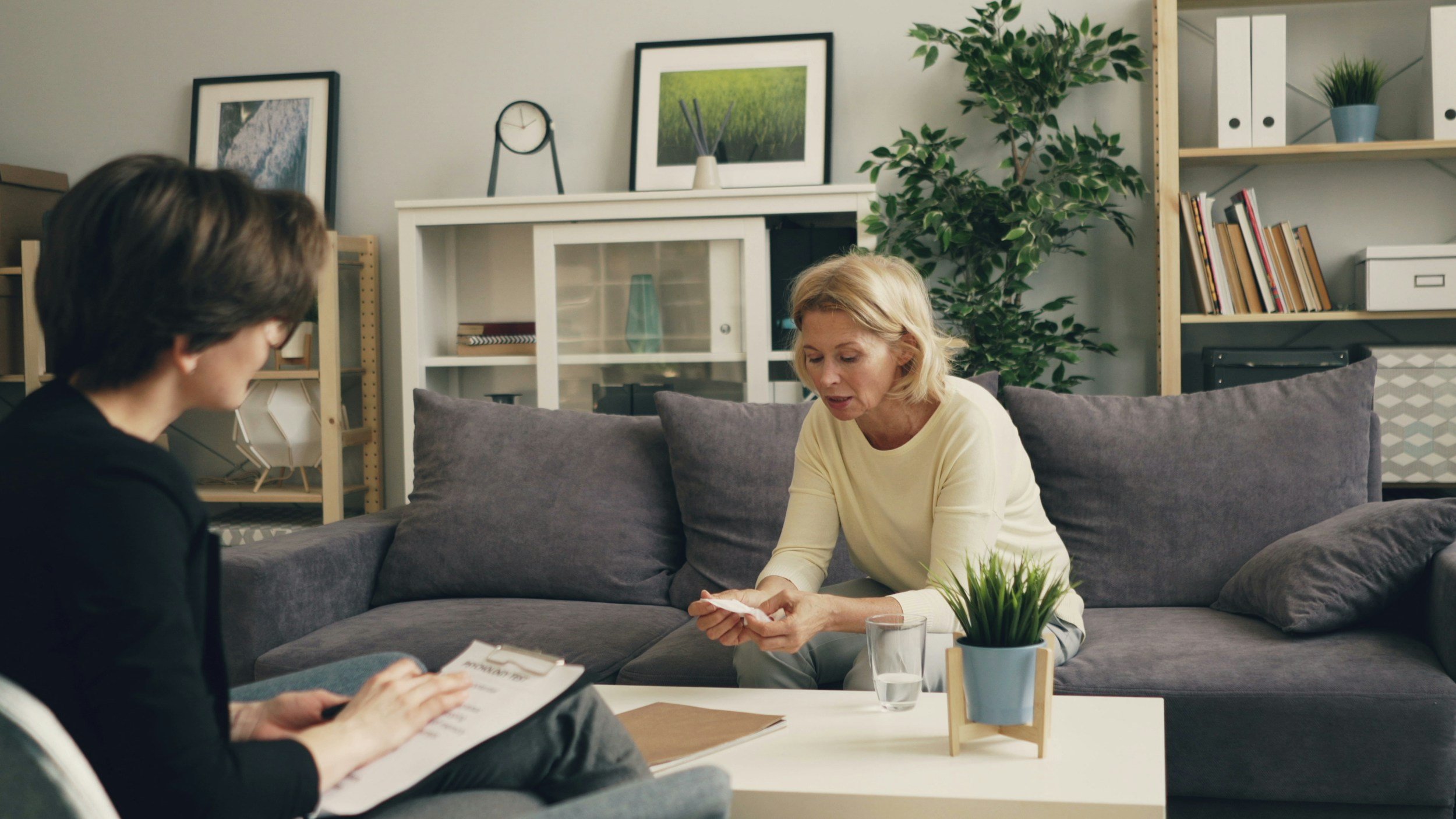
![a woman holding a tissue and talking to a therapist while sitting on a couch]()
Therapy & Counseling
When you are struggling emotionally or mentally speaking to a certified therapist for emotional support and mental health care is vital to your well-being.
-
![a bunch of green vegetables and lemons sliced an arranged in rows]()
Nutrition
Good nutrition is crucial after birth. It replenishes nutrients lost during pregnancy and breastfeeding, supports hormones, brain chemicals, and gut health, and can reduce depression and raise energy.
-
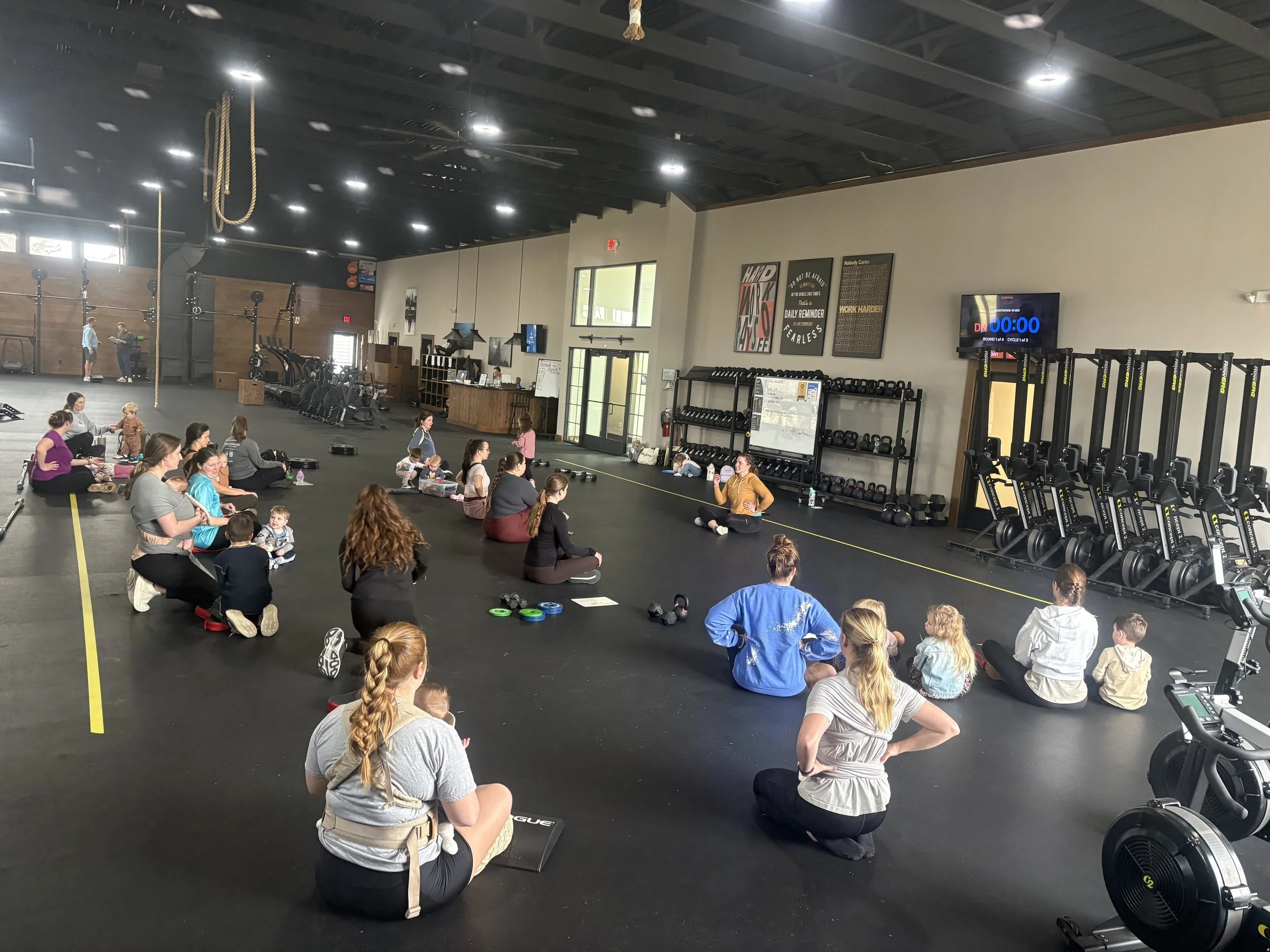
![a group of mothers some baby wearing and others with their children next to them participating in a guided exercise class]()
Movement
Movement boosts circulation, gently re-engages your core, reduces swelling, and lowers the risk of postpartum depression. Rhythmic movement stimulates the production of mood-regulating chemicals like serotonin and dopamine, which promote feelings of happiness.
-
![a group of 30 moms walking outside with their children and strollers]()
Community Connection
Peer support is highly effective in the postpartum period, significantly reducing depressive symptoms and anxiety while improving health-related quality of life. By fostering shared understanding and non-judgmental connections, these programs combat social isolation and empower mothers to build parenting resilience.
-
![a mom cradling her pregnant belly and holding her hands to make a heart]()
Education
Education improves birth and postpartum outcomes by empowering mothers with the knowledge and confidence to make informed healthcare decisions. Attending childbirth and parenting classes reduces labor-related anxiety, lowers cesarean section rates by approximately 20%, and increases rates of unmedicated vaginal births. Education also fosters higher breastfeeding success and better postpartum recovery.
-
![a masseuse rubbing someones bare back with their hands]()
Nervous System Regulation
Postpartum nervous system regulation is the process of helping your body shift out of "fight-or-flight" mode and back into a state of calm. Sleep deprivation, sudden hormonal shifts, and the constant demands of a newborn can leave a mother's system in a heightened state of alert.
-
![a father holding his youngest and his shoulders and his oldest child in his arms smiling at the camera]()
Removing Community Barriers
Being a parent is hard enough on its own. Continually facing barriers in public while parenting can negatively impact mental health. Through our various initiatives we aim to make life a little easier in our community for all parents.